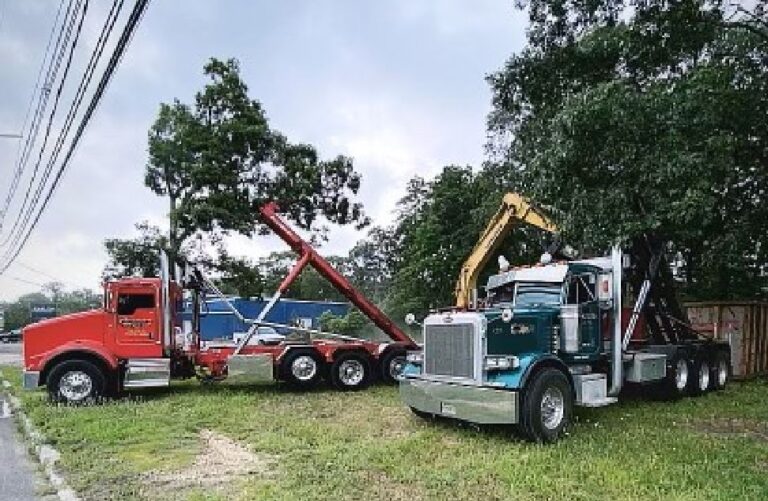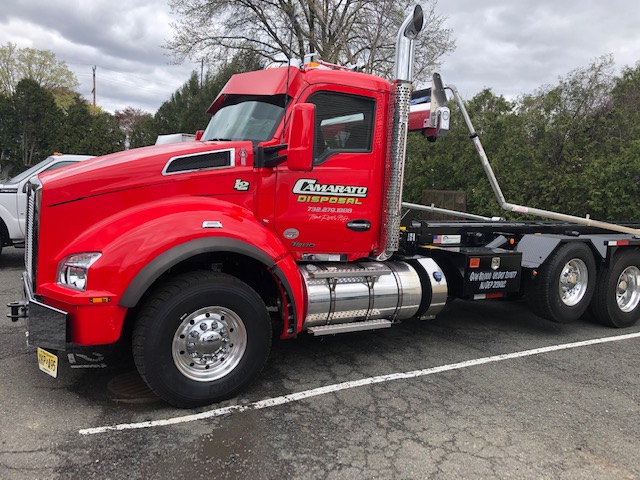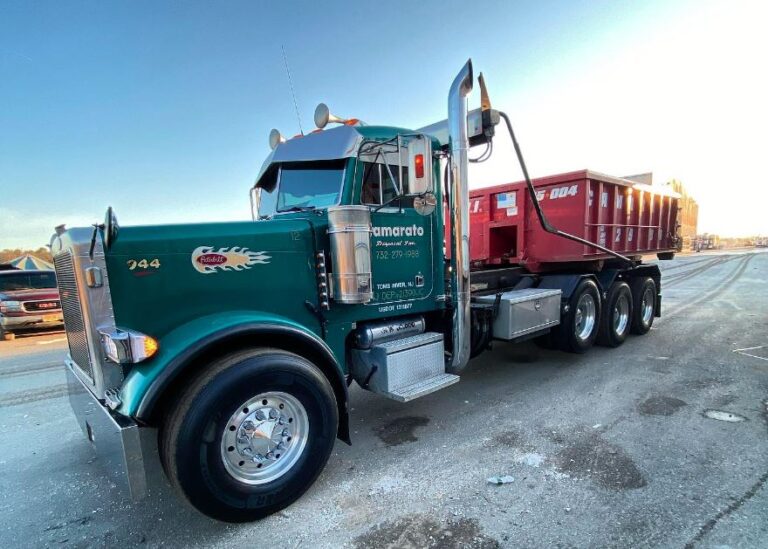
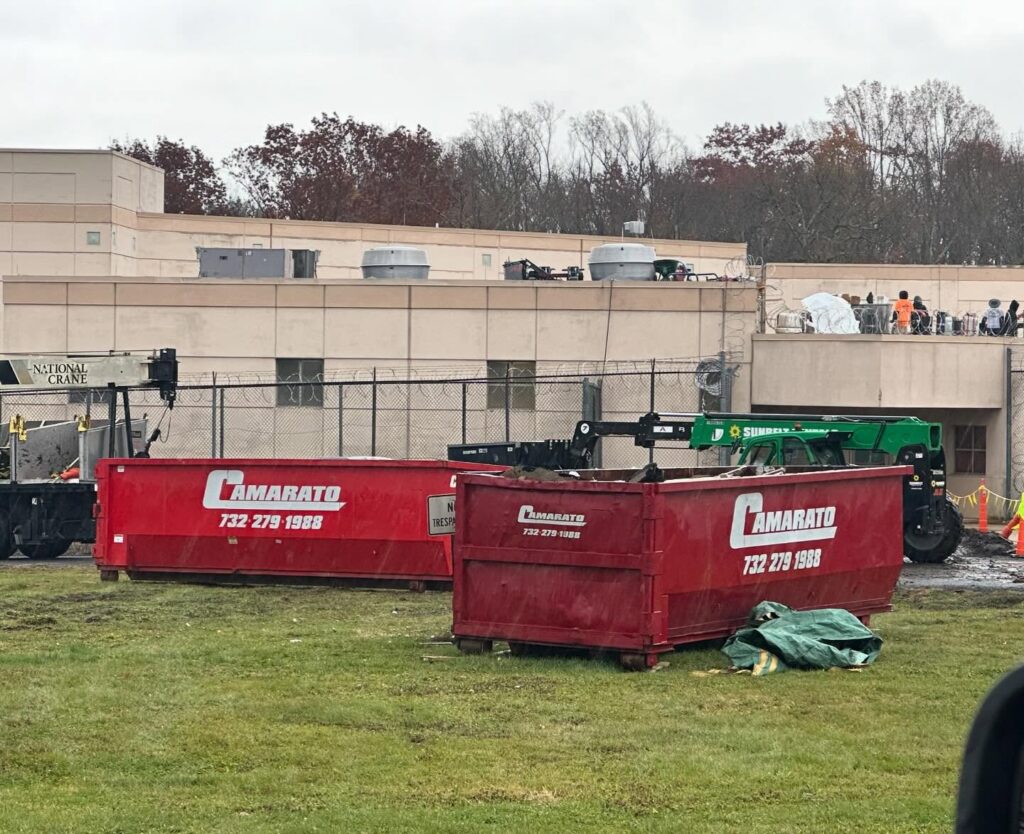
When you rent a roll off dumpster for construction projects, household junk, or yard waste in the Toms River area, it helps to know what not to put in a dumpster.
Certain materials create safety hazards, violate local regulations, or introduce harmful chemicals into landfills that serve communities across Ocean, Monmouth, Mercer, and Middlesex Counties. Some prohibited items trigger additional fees, and others require special handling through a hazardous material collection center or local fire department.
Hazardous Waste and Hazardous Materials
Items that contain hazardous substances pose serious risks once compacted or exposed to heat inside a rented dumpster. Hazardous waste can leak chemicals, contaminate groundwater, and release toxic fumes in landfills. These materials also threaten waste workers and create safety concerns for transfer stations.
Common examples include hazardous chemicals, household cleaners, motor oil, oil based paints, wet paint, aerosol cans, and other flammable materials.
Safe disposal:
- Take liquid paint to a local hazardous material collection center. Dry latex paint or dried latex paint cans may go in a dumpster only if the paint inside is completely solid.
- Motor oil and similar automotive fluids can be taken to auto parts stores or municipal drop-off sites.
- Aerosol cans, oil based paints, and other flammable materials require proper disposal at county-run hazardous waste events.
- Household cleaners can often be dropped off at regional recycling centers that accept hazardous items.
Lithium Batteries, Rechargeable Batteries, and Car Batteries
Batteries contain heavy metals and highly combustible components. When crushed inside a roll off dumpster, lithium batteries and old car batteries can ignite. Improper disposal also introduces corrosive materials into landfills that can contaminate groundwater.
Safe disposal:
- Bring lithium batteries and rechargeable batteries to electronics stores or municipal recycling programs.
- Car batteries and old car batteries can be returned to auto shops or scrap metal buyers who recycle them separately.
Propane Tanks and Other Pressurized Containers
Propane tanks, sealed cans, and other pressurized cylinders rank among the most dangerous prohibited items. Compaction or heat exposure can turn these containers into explosive hazards. Even empty tanks carry fumes that trigger fires.
Safe disposal:
- Return propane tanks to a propane company or hardware store that accepts them.
- Contact your local fire department for guidance on other pressurized containers that require special disposal.
Medical Waste
Medical waste, including sharps, pharmaceuticals, and contaminated materials, cannot go in a dumpster or roll off dumpster rental. These items create health risks for anyone handling the waste stream and move harmful substances into landfills.
Safe disposal:
- Pharmacies and hospitals often run take-back programs.
- Sharps containers can be dropped at designated collection points in local area medical facilities.
Construction Materials That Require Special Handling
Most construction debris, construction materials, and roofing shingles are acceptable; however, certain materials require special disposal. Items such as asbestos-containing materials, air conditioners with refrigerant, and old appliances containing hazardous substances cannot go into a rented dumpster.
Safe disposal:
- Air conditioners and old appliances can be recycled separately through county recycling centers.
- Materials require special disposal when they contain refrigerants, mercury, or heavy metals. Check local regulations before handling these items.
Flammable Materials and Other Combustible Items
Gasoline, solvents, and other flammable materials introduce serious risks inside a dumpster. These items can ignite easily, damage equipment, and increase the potential for environmental concerns in local landfills.
Safe disposal:
- Many towns in Ocean and Monmouth Counties host designated disposal days for flammable items.
- Hardware stores and recycling programs may also offer drop-off points.
Prohibited Items That Contain Hazardous Components
Items such as upholstered furniture with chemical treatments, certain packaging materials that contain harmful compounds, and some electronics fall into a category of restricted items. These items cannot go into a dumpster because they break down slowly, leach harmful chemicals, or require special handling to avoid soil and water contamination.
Safe disposal:
- Many electronics can be recycled through certified e-waste collectors.
- Upholstered furniture can sometimes be donated if it is clean and structurally sound.
- Packaging materials that do not qualify for regular disposal can be handled through recycling bin programs at municipal facilities.
Paint Products and Related Materials
Liquid paint, wet paint, and oil based paints are prohibited because they leak, release toxic fumes, and contaminate soil in landfills. Dry latex paint is acceptable only when the paint has hardened completely and the can contains no liquid.
Safe disposal:
- Mix wet paint with kitty litter or a paint hardener until fully solid before disposal.
- For large volumes, take the sealed can to a hazardous waste center.
Why These Restrictions Protect Our Communities
Improper disposal harms more than the landfill. Certain materials create safety hazards during transport, trigger fires, contaminate groundwater, introduce hazardous substances to soil, and generate toxic fumes that affect nearby communities. Landfills serving the Toms River region face strict oversight, and dumping restricted materials jeopardizes those protections.
Alternative disposal methods safeguard the environment, limit extra fees for customers, and support recycling efforts across Ocean, Monmouth, Mercer, and Middlesex Counties.
When you understand what not to put in a dumpster, you keep your cleanup project on track, avoid additional fees, and help maintain a cleaner New Jersey. If you need guidance regarding restricted materials or want to schedule a roll off dumpster rental for household junk or construction debris, Camarato Disposal can help you plan proper disposal for every stage of your project.
When You Need Help With A Dumpster Rental in New Jersey,
call 732-279-1988 or contact us
Related Posts